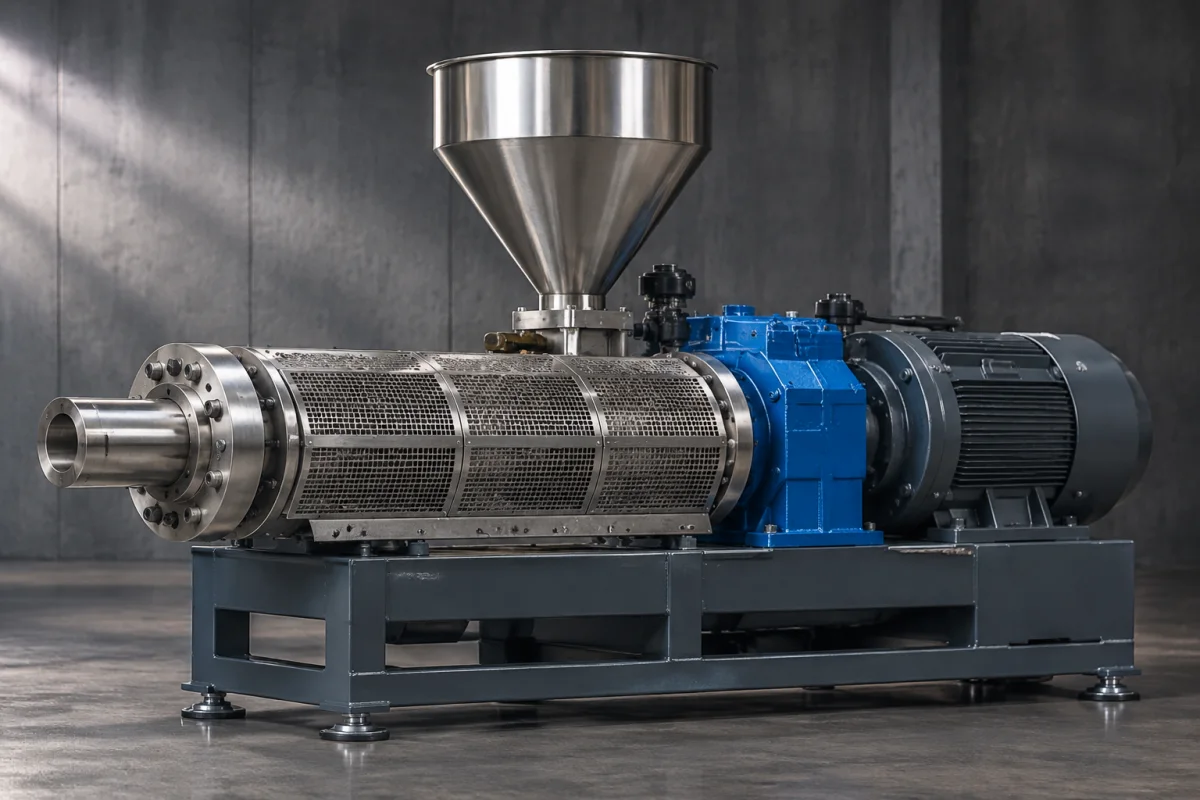
01 / Melt & filter
Extrusion and melt filtration
An extruder melts suitable thermoplastics. A melt filter can remove some solid contaminants before pelletizing.
JianTai / Machinery
Explore how plastic waste is processed into reusable material and what to consider when choosing a recycling line.
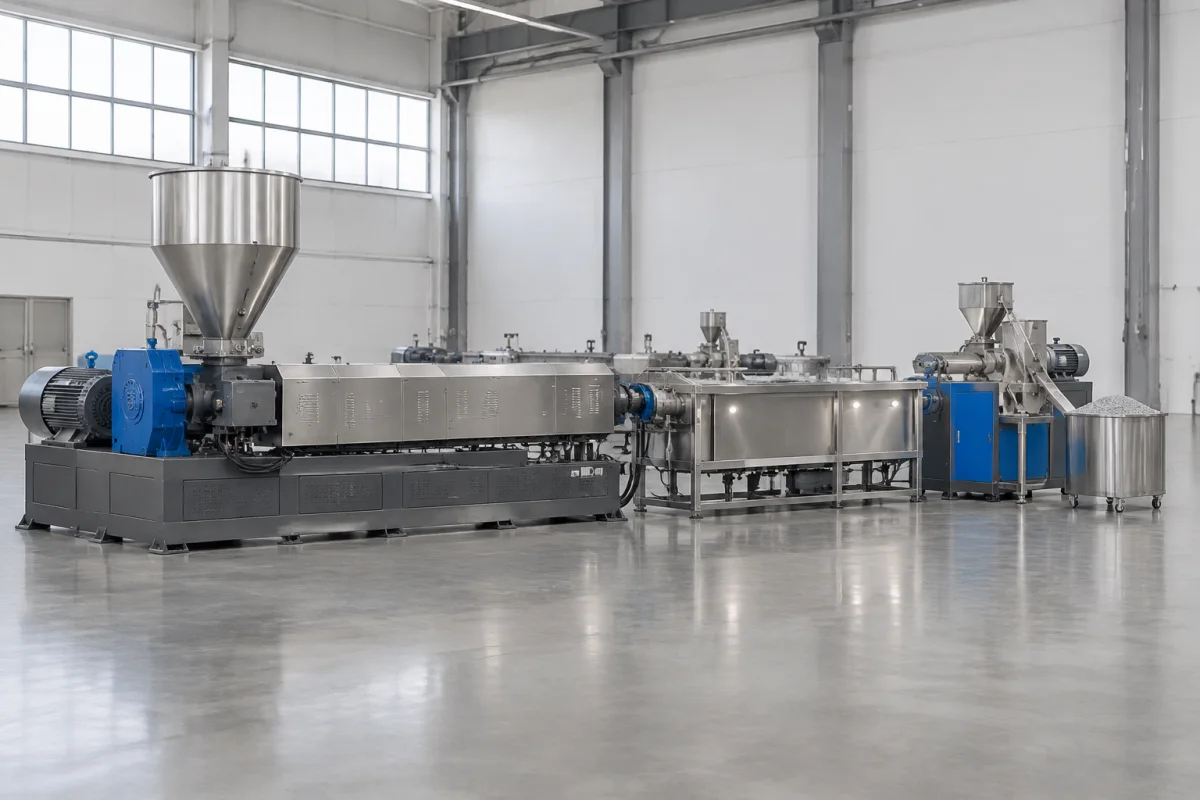
01 / Feedstock
Plastic recycling machinery prepares discarded plastic for reuse. The material’s shape, resin type and condition help determine which steps the line needs.
| Material form | What to check |
|---|---|
| Film & bags | Loose film can be hard to feed evenly. Check bulk density and whether the film is printed or layered. |
| Rigid regrind | Check particle size, resin type and whether the material contains mixed plastics. |
| Washed flakes | Check residual moisture and whether labels, fines or dirt remain after washing. |
02 / Equipment
These are common equipment functions, not specifications for a particular JianTai model.
01 / Melt & filter
An extruder melts suitable thermoplastics. A melt filter can remove some solid contaminants before pelletizing.
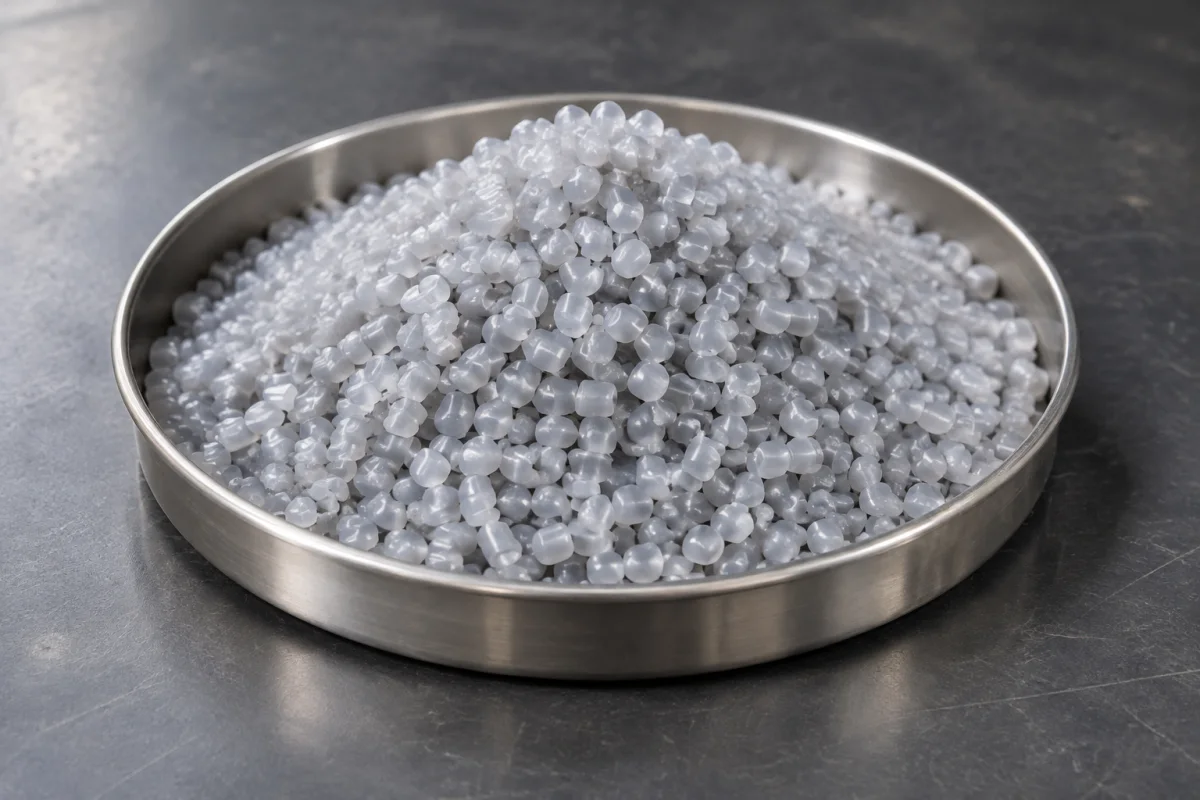
02 / Form
The pelletizer cuts processed plastic into granules for handling and further processing.
Before extrusion
Sorting, size reduction, washing or drying may be needed, depending on the incoming material.
03 / Process
A typical mechanical recycling route for suitable thermoplastics. The exact sequence depends on the feedstock and the intended use of the pellets.
Identify the plastic type and separate incompatible materials and contaminants.
Reduce size, wash or dry as needed so the feedstock enters the line consistently.
Extrude the prepared plastic and use melt filtration where the material and application call for it.
Form and cool the pellets, then assess them against the requirements of the intended application.
04 / Selection guide
Use this checklist to prepare for an equipment discussion. A representative feedstock sample can help assess how the material will behave on the line.